Marketing
From idea to first customers
aali team (draft) · 7 Sep 2026
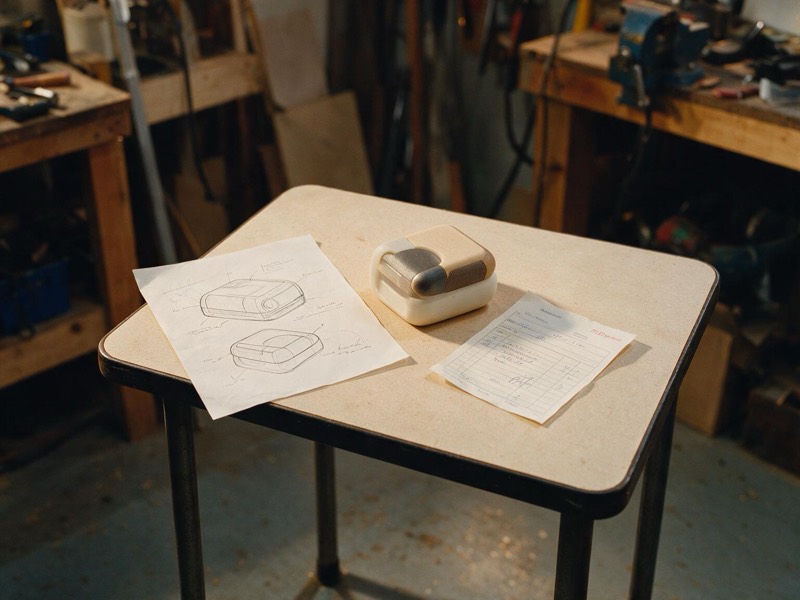
Many good ideas never meet a customer because the owner keeps polishing before anyone has seen it. The quickest way to learn whether an idea works is to put it in front of real people early, while it is still cheap to change. Here is a sequence that keeps the cost low.
Name one customer and one problem
Start narrow. Describe a single kind of person and the one problem you think they have. “Small restaurants” is too broad. “Restaurant owners who lose time every week on supplier orders” is a place to begin. The narrower the description, the easier it is to find ten people who match it.
Talk before you build
Speak to people who match your description. Do not pitch. Ask about the last time they faced the problem, what they did about it and what it cost them. Listen for stories, not opinions. If nobody can remember the problem or has done anything about it, it may be too small to build a business on.
- Ask about the past, not the future: what did you do last time?
- Ask what they already pay for, in money or in time.
- Ask who else is involved in the decision.
- End by asking who else you should talk to.
Sell a promise before you build the product
When the problem is real, describe your solution in plain words with a price, and offer it to the people you spoke to. A written offer, a simple page or even a message is enough. If someone agrees to pay, or to book a time, you have learned something no survey can tell you. If they hesitate, ask why and learn from it.
Do the first job by hand
Serve your first customers manually, even if it feels clumsy. You will learn what they truly value, which steps are slow and what to automate later. Keep a short list of what you learn after each job.
Do not hide from the price. Say it plainly and then stop talking. A customer's silence while thinking is not a refusal, and filling it with a discount undoes the work you did to find the value. If they say it is too high, ask: compared with what? Some people will say no at any price, and that is normal.
Count what matters
Track a few simple things: how many people you spoke to, how many received an offer, how many said yes and why. These are small numbers, and that is fine. What counts at this stage is not scale but proof that someone wants what you are making, and the confidence that comes with knowing it.
Keep reading.
- StrategyHow to read a caseA case is a real decision with the facts left in. Here is a way to read one in a single evening and arrive with a position you can defend.

- Leadership & ManagementYour first 90 days as a managerA plan for the first three months: listen first, agree what matters, and earn trust with small promises kept.