Finance & Accounting
Reading a balance sheet without fear
aali team (draft) · 12 Oct 2026
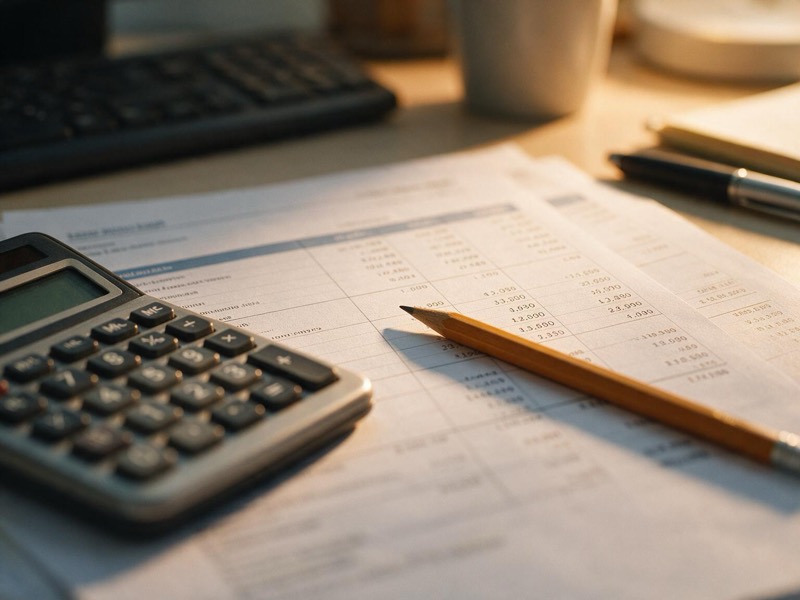
A balance sheet looks like a wall of numbers, but it answers one plain question: at this date, what does the business own, what does it owe, and what is left for its owners? Once you see the structure, the page stops being intimidating.
Three blocks and one rule
Everything on the page sits in one of three blocks.
- Assets: what the business owns or is owed, such as cash, stock, equipment and money customers have not yet paid.
- Liabilities: what it owes, such as supplier bills, loans and taxes due.
- Equity: what remains for the owners after the liabilities are paid.
The rule is that assets always equal liabilities plus equity. The two sides balance because every asset was paid for either by someone the business owes or by its owners.
Where to look first
Start with cash. Is there enough to pay what is due in the next few months? Then compare what customers owe the business with what the business owes its suppliers. A company that waits ninety days to be paid but must pay its suppliers in thirty is quietly lending money to its customers, and that gap has to be financed by someone.
Ask what changed
A single balance sheet is a photograph. Two of them, a year apart, are a story. Look at the lines that moved most and ask why. Did stock grow faster than sales? Did debt replace cash? Did equity grow because the business earned money, or because the owners put more in? Each answer points to a different kind of business.
Check the quality of the assets
Not every asset is worth what is written. Stock that no one wants, customers who will never pay and equipment that is out of date all sit on the page at full value until someone looks. Ask which assets could be turned into cash, how fast, and at what price.
A shop buys a large stock of goods on credit. Its assets and liabilities both grow, and its owners are no richer yet. When the goods sell, stock turns into cash. The sheet shows who funded what.
Put it next to the other statements
The balance sheet tells you where the business stands. The income statement tells you what it earned over a period, and the cash flow statement tells you where the cash came from and went. Read together they tell you whether a profitable company is also a healthy one.
You do not need to be an accountant. You need the habit of asking three questions every time: can it pay its bills, who owes it what, and what changed since last time.
Keep reading.
- MarketingPricing without guessingStart from your costs, your customer's value and their alternatives, then test the price instead of arguing about it.

- Digital & AIAI at work: where to startStart with a task, not a tool: pick a small, frequent piece of work that is easy to check, try it, measure, then widen.